
Understanding This Page: Navigating Digital Content Efficiently
In the world of web navigation, the concept of this page holds significant importance. Every website has a unique way of presenting information, and understanding how to engage with each page effectively is critical for a seamless user experience. This article will delve into various aspects associated with web pages, including their structure, navigation, and the significance of user engagement in the digital landscape. Let’s embark on this exploration of what constitutes ‘this page’ and why it matters in our daily interactions on the internet.
What is a Web Page?
A web page is a document accessible on the internet, identifiable by its unique URL (Uniform Resource Locator). It is part of a website and can contain various elements like text, images, videos, and links. The purpose of a web page is to convey information or provide a service to users. Each page plays a crucial role in the overall architecture of a website, contributing to user experience and engagement.
Components of an Effective Web Page
To effectively convey information and engage users, a well-structured web page includes several key components:
- Header: This typically contains the website’s logo, title, and navigation links. A clear and recognizable header allows users to understand their context within the site.
- Body: The main content area where information is presented. This consists of text, images, multimedia, and interactive elements designed to engage the user.
- Sidebar: Often used to provide additional information, links to related content, advertisements, or navigation options.
- Footer: This section usually contains copyright information, links to privacy policies, and additional navigation options. It helps in providing closure and context to the page.
The Importance of Navigation
Effective navigation is critical for any web page. Users must be able to find what they’re looking for quickly and intuitively. Poor navigation can lead to frustration and may cause users to leave the site. Here are several key strategies to enhance navigation:
- Use Clear Labels: Navigation links should be clearly labeled to signify their destinations. Ambiguous labels can confuse users about where a link will take them.
- Simplify the Menu: A clean, uncluttered menu allows users to navigate easily. Limiting options and using dropdown menus can help maintain clarity.
- Breadcrumbs: Breadcrumb navigation helps users understand their current position within the site’s hierarchy and easily retrace their steps.
- Search Functionality: Providing a search bar enables users to find specific content quickly, which is especially useful for larger websites.
Enhancing User Engagement
User engagement is vital for any web page, as it directly influences metrics like bounce rate, time spent on page, and conversion rates. Here are several techniques to boost engagement:
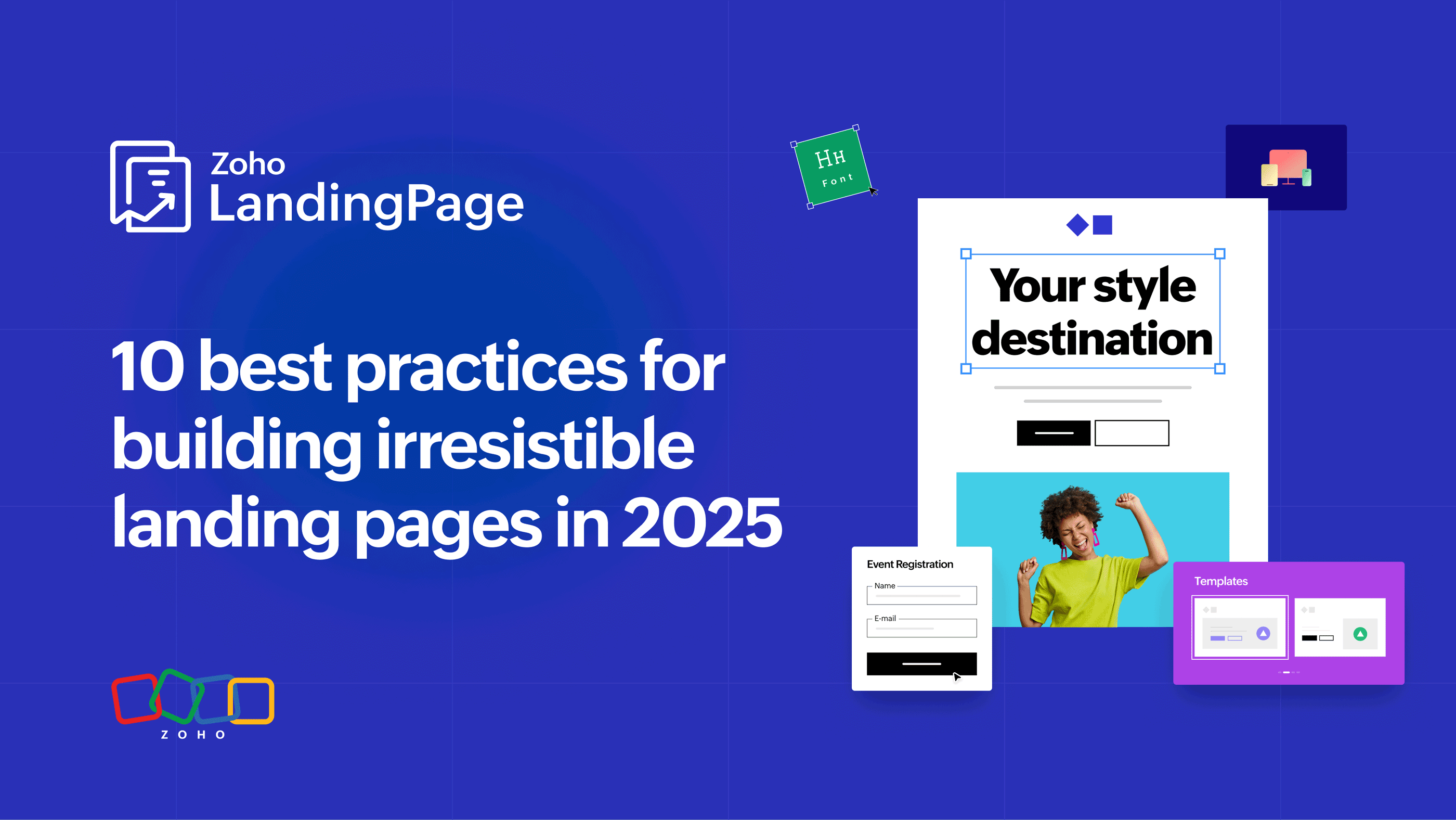
- Interactive Elements: Incorporating quizzes, polls, or interactive infographics can encourage users to stay longer and explore more content.
- Call-to-Action (CTA): Clear CTAs guide users on what to do next, whether it is signing up for a newsletter, making a purchase, or reading another article.
- High-Quality Content: Providing valuable and informative content that resonates with your audience enhances engagement. This includes clear writing, visually appealing layouts, and useful resources.
- Multimedia: The use of videos, images, and other media can make the content more engaging and help break up long sections of text.
Responsive Design and Mobile Optimization
With the increasing use of mobile devices for internet browsing, ensuring that your web page is responsive is more important than ever. Responsive design allows the page to adapt to the screen size of the device being used, enhancing the user experience. Here are some tips for creating a mobile-optimized web page:
- Flexible Layouts: Use fluid grid layouts that adjust to different screen sizes while ensuring the content remains accessible and visually appealing.
- Touch-Friendly Elements: Design buttons and links so that they are easy to tap on mobile devices, avoiding overlapping elements that could lead to errors.
- Reduced Load Times: Optimize images and streamline code to ensure fast loading times, critical for retaining mobile users.
- Testing Across Devices: Regularly test the web page across various devices and browsers to identify and fix any issues that may arise.
Conclusion
The concept of ‘this page’ encompasses a wide range of elements and strategies fundamental to web navigation and user engagement. By understanding the core components of a web page and focusing on effective navigation and engagement strategies, webmasters can create a more satisfying and interactive user experience. As we continue to navigate the digital landscape, refining our approach to web page design and user interaction will be essential in meeting the evolving expectations of users.